A Lumoon Vision project · Since 2011
See the World.
One child at a time.
Custom prescription eyeglasses for children in developing countries, so every child can see the board, read a book and reach their potential.
people in low-income countries who need glasses don't have them1
as much learning for children with uncorrected vision2
years of schooling lost every year to poor vision2
of that learning loss falls on low- and middle-income countries2
Why we started
Charity eye care was too costly to reach most children.
The usual approach was to fly teams of eye doctors and tens of thousands of dollars of equipment to the developing world for a week or two, then hand out donated, used glasses that rarely matched a child's prescription. Few of the people seen were children, and many children wouldn't wear glasses that didn't fit.
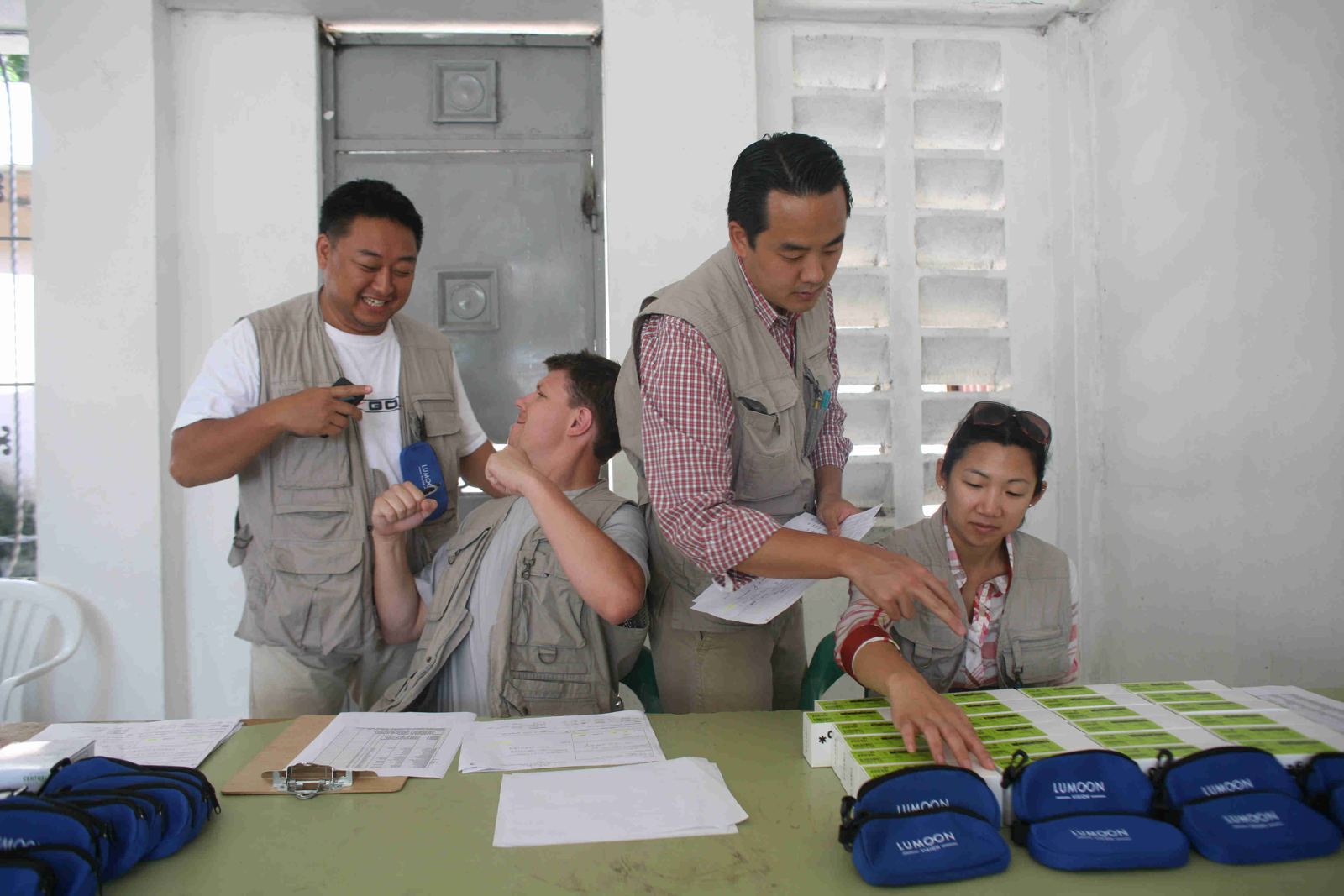
In 2010 we set out to change that. We combined portable screening technology, volunteer optometrists working remotely and custom-made glasses to build a model that is more effective, efficient and affordable.
Read our story →How it works
The Vision Station model
- 01
Screen
Trained local staff screen children with a handheld, battery-powered device.
- 02
Prescribe
Volunteer optometrists review each child's data online and write the prescription.
- 03
Make
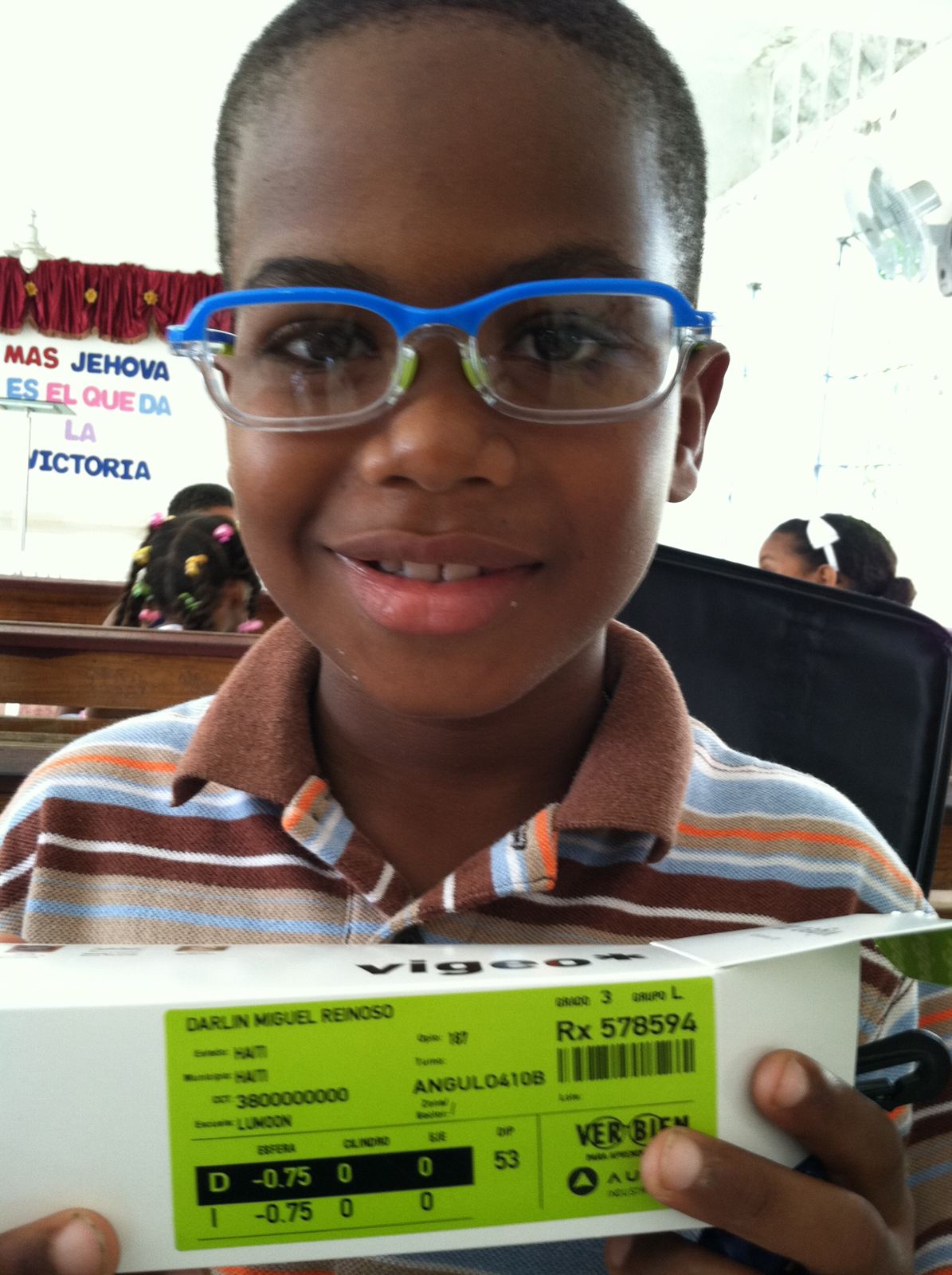
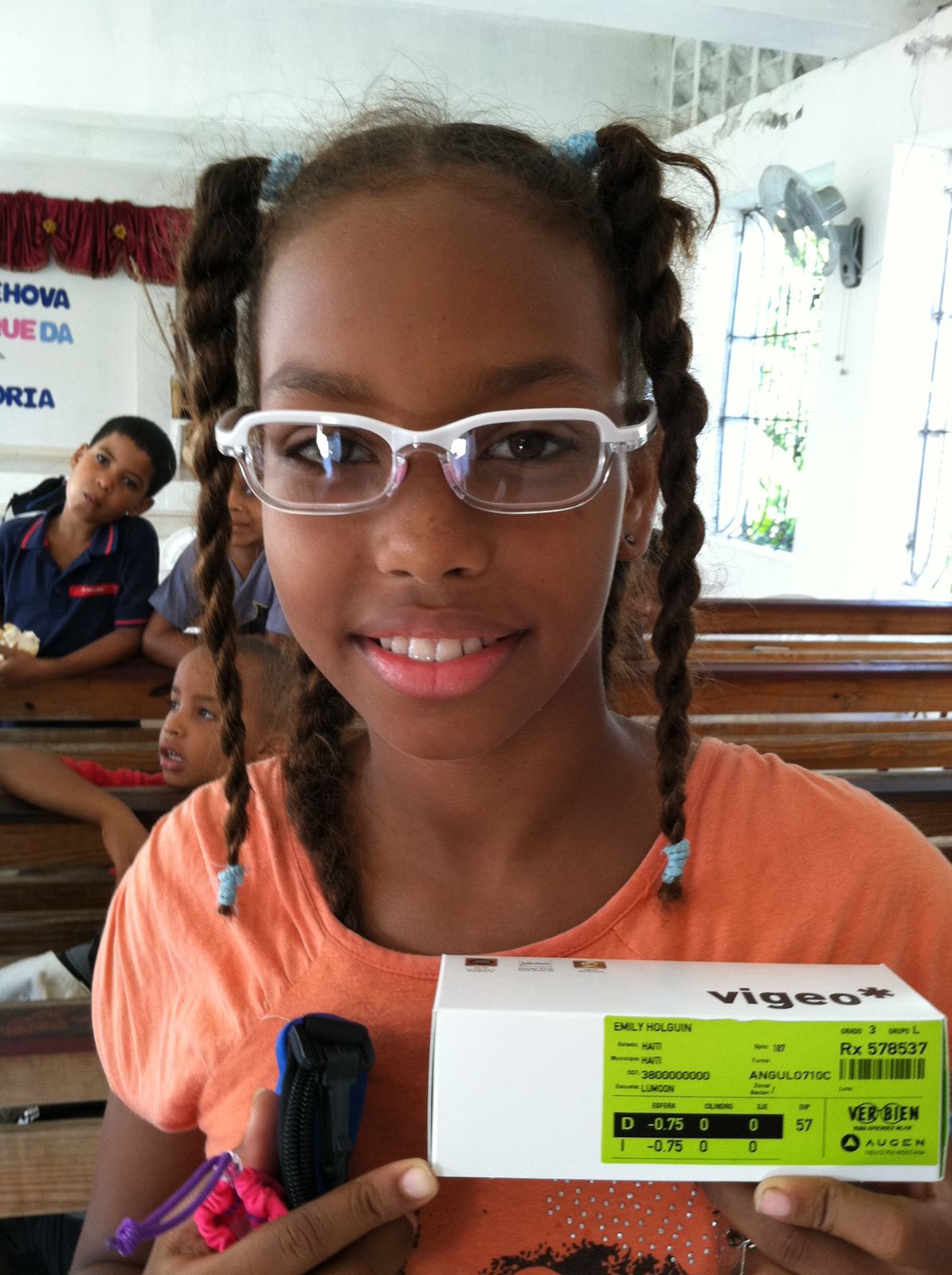
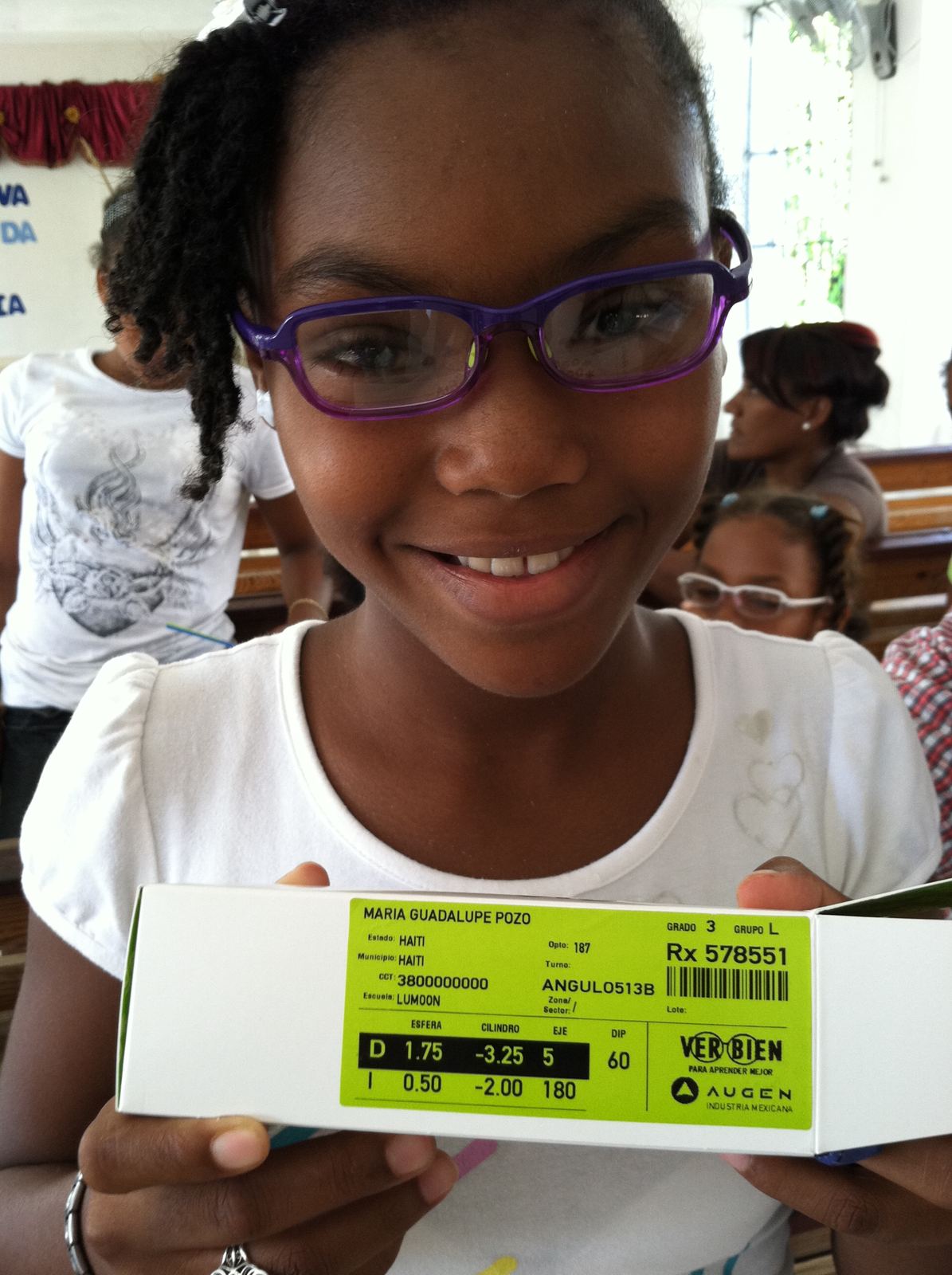
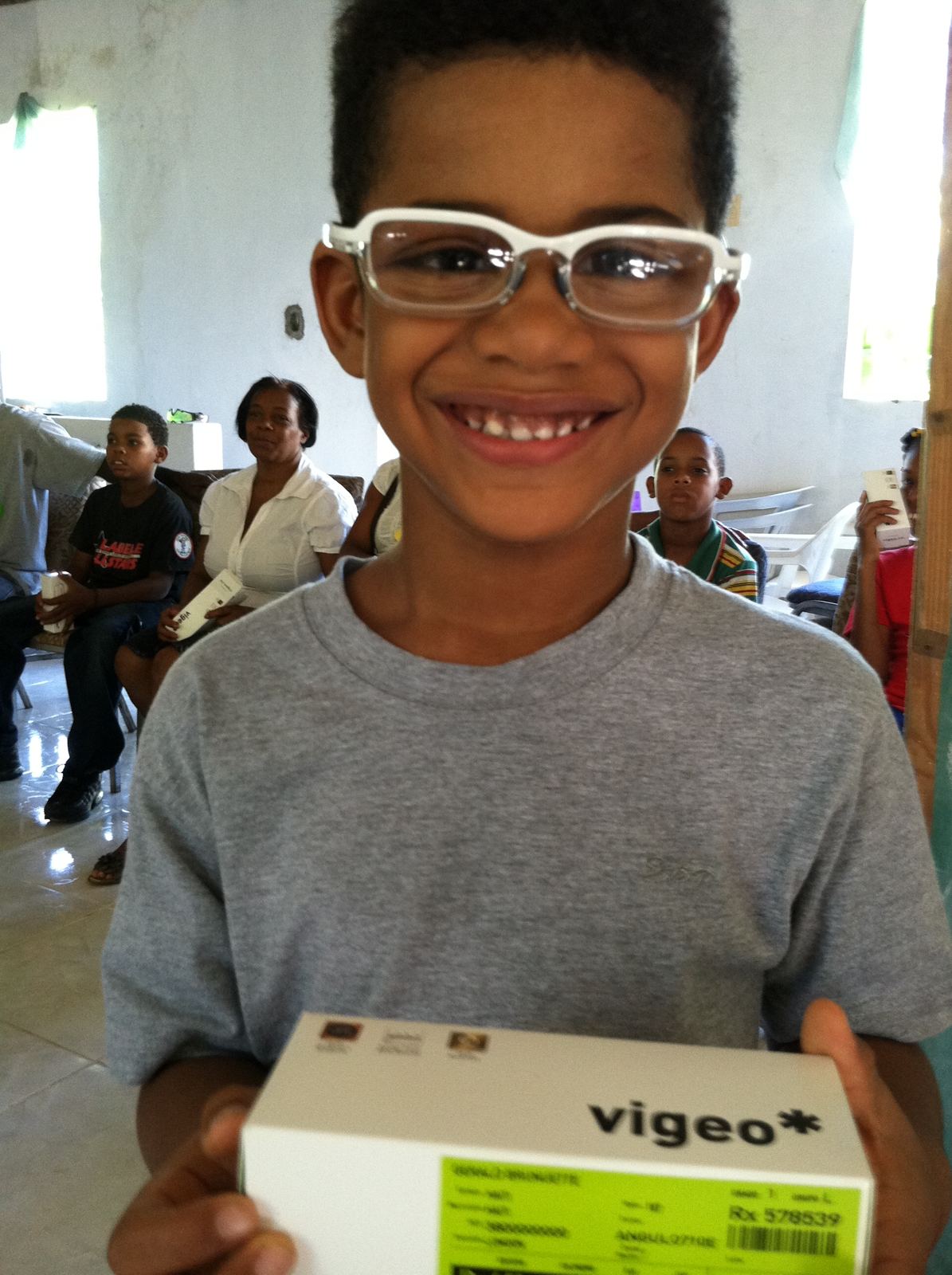
Brand-new glasses are made to each child's prescription, size and favorite color.
- 04
Deliver
Glasses ship to our local partner, and donors see the moment a child receives them.
Cost comparison
From $64.50 to $3.28 per child
A traditional two-week mission costs about $129,000 to screen roughly 2,000 people, or about $64.50 each, and only a small share of them are children. A Lumoon Vision Station costs about $14,850 a year and focuses only on children. Over three years, that comes to about $3.28 per child screened.
Lumoon Vision's 2011 program estimates.
The moment that matters
Their first clear view
Watch
See the pilot in action
Help a child see the world.
Sponsor a pair of glasses, volunteer as an optometrist, or bring a Vision Station to a community you work with.
Sources
- World Health Organization, Blindness and vision impairment fact sheet.
- IAPB & Seva Foundation, Better Education in Sight (2024). Dhakhwa, Everett & Wong, doi:10.17605/OSF.IO/ZTGPQ.